
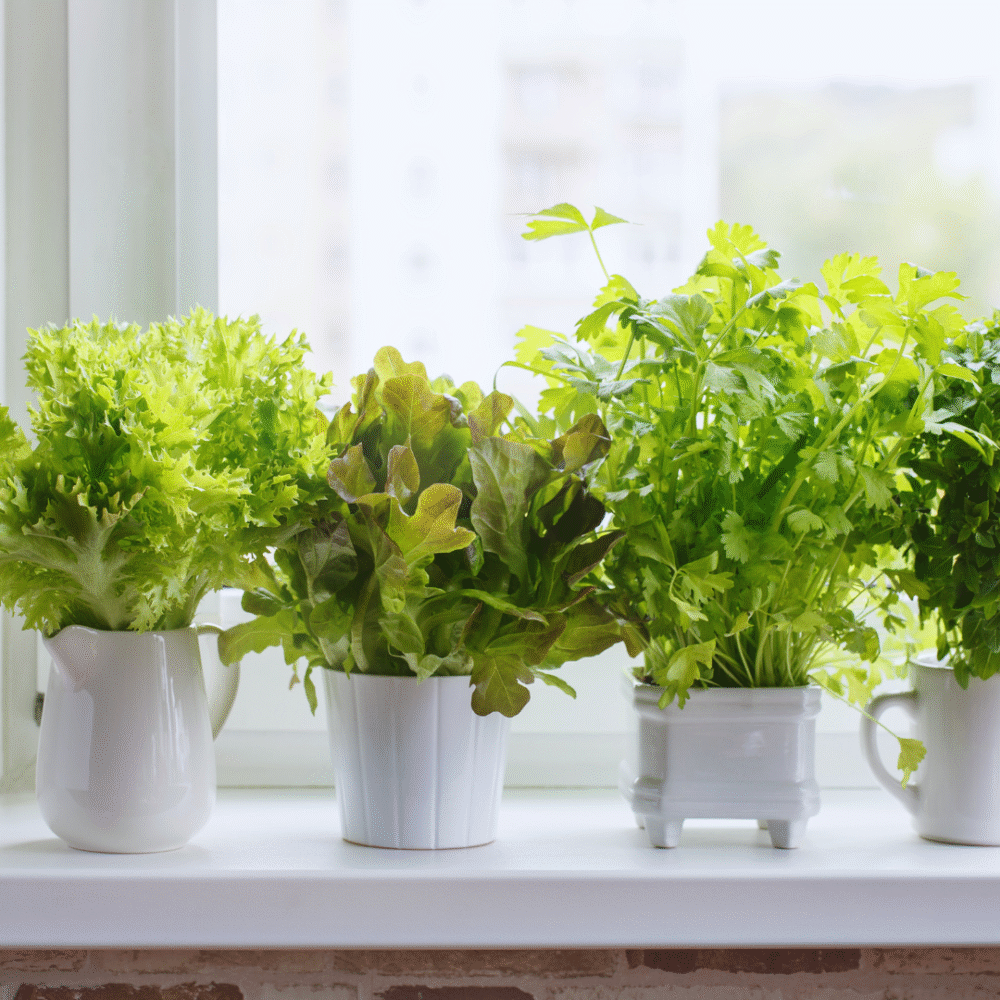
Culinary herbs play a pivotal role in enhancing flavours and adding depth to various dishes. These versatile plants not only elevate the taste of meals but also offer numerous health benefits, making them essential in any kitchen. From fragrant basil to zesty coriander, each herb brings unique characteristics that can transform ordinary recipes into culinary delights.
Cooking with herbs is an art that combines tradition and creativity. Understanding how to use these ingredients effectively can significantly improve both the aroma and nutrition of meals. This guide will explore popular culinary herbs, their uses in cooking, and the health benefits associated with incorporating them into daily diets.
Whether one is a seasoned chef or a novice cook, mastering the use of culinary herbs can open up a world of flavours and wellness. Embracing these natural flavour enhancers is the first step towards achieving greater culinary success.
The Essentials of Culinary Herbs
Culinary herbs play a crucial role in enhancing flavours and adding depth to dishes. Understanding the various herbs available, their forms, and the best combinations can greatly improve cooking.
Understanding Common Herbs
Common culinary herbs include basil, parsley, thyme, rosemary, and mint. Basil is often used in Italian dishes, lending a sweet and aromatic flavour. Parsley enhances many meals with its fresh taste and is rich in vitamins.
Thyme is versatile, suitable for both meats and vegetables, whereas rosemary adds a strong, distinctive taste that pairs well with roasted dishes. Mint offers a refreshing element, frequently found in Mediterranean cuisine. For those interested in spices, coriander and dill provide unique flavours as well. Chives and tarragon also elevate simple dishes with their subtle notes.
Fresh vs Dried Herbs
Fresh herbs typically have a brighter flavour than their dried counterparts. Fresh basil, for instance, boasts a vibrant taste ideal for salads and sauces. In contrast, dried herbs—like oregano and thyme—concentrate flavour due to moisture loss.
When substituting, it is commonly suggested to use one-third of the dried herb quantity compared to fresh. This ensures balance without overwhelming the dish. Storage is essential; dried herbs should be kept in a cool, dark place, while fresh herbs benefit from refrigeration and should ideally be used within a week. The differences in flavour intensity and shelf life inform a cook’s choice of herbs.
Pairing Herbs with Food
Pairing herbs with the right foods enhances the overall taste profile. For example, rosemary complements roasted meats, while sage works beautifully with poultry and stuffing.
Basil and oregano are staples in Mediterranean cuisine, enhancing pasta sauces and pizzas. For light dishes, mint pairs well with lamb and certain desserts. Cilantro adds a fresh punch to salsas and Asian dishes, while dill shines in seafood preparations.
Combining herbs can create distinctive layers of flavour. For example, thyme and rosemary work well together in savoury dishes, while parsley often complements almost any herb in dressings. Experimenting with these combinations allows for creativity and personal flair in cooking.
Cultivation and Harvesting
Establishing and maintaining a herb garden requires attention to specific conditions for optimal growth and proper timing for harvesting. The following subsections outline the essential practices for creating a successful herb garden.
Creating Your Own Herb Garden
Choosing the right location is crucial for a thriving herb garden. Herbs typically prefer full sun, needing at least 6-8 hours of sunlight daily. Raised beds or containers are ideal for those with limited space.
Soil quality plays a vital role; use well-draining soil rich in organic matter. A mixture of garden soil and compost works efficiently. For those opting for container gardening, the pot size should accommodate the plant’s mature size, using a potting mix designed for herbs. Those who are new to herb cultivation can always explore resources dedicated to container gardening for beginners to gain practical insights into choosing containers, caring for plants, and creating a successful growing environment.
Consider selecting annual herbs like basil and cilantro, which grow quickly and can be harvested throughout the season.
Planting and Caring for Herbs
Planting should occur in late spring when the risk of frost has passed. Begin with seedlings for quicker results, or directly sow seeds as appropriate. Maintain adequate spacing between plants to ensure proper air circulation.
Regular watering is essential, especially during dry spells. Herbs prefer a moist environment, but should not sit in waterlogged soil. Using a drip irrigation system or a watering can can control the moisture level effectively. It’s also important to monitor your garden for pests or insects that may disturb plant growth or create safety concerns around your home. In such situations, looking into services like rodent or bee control near me can help maintain a balanced and safe outdoor space.
Pruning helps maintain plant shape and encourages bushy growth. Trim the tops and remove any flower buds to redirect energy into leaf production. Applying fertiliser once a month can boost growth, but avoid over-fertilising, as this may affect flavour.
When to Harvest Herbs
Timing matters when it comes to harvesting herbs. The best time is just before the plant flowers. At this stage, the essential oils, which provide aroma and flavour, are at their peak.
For most herbs, it is advisable to harvest in the morning after the dew has evaporated. This practice maximises flavour and freshness.
Cut the stems with sharp scissors or shears, taking care not to remove more than one-third of the plant at a time, allowing for regrowth. For container gardening, monitor the plant’s health after harvesting to ensure its continued vitality and encourage additional growth.
Usage in Cooking and Beyond
Culinary herbs play a vital role in enhancing flavour and aroma in various dishes. They can be easily incorporated into everyday meals or used for their potential health benefits. Understanding how to use these herbs effectively can elevate both cooking and well-being.
Incorporating Herbs into Everyday Cooking
Incorporating herbs into daily meals adds depth and character. Fresh herbs like basil, parsley, and coriander are excellent for salads and sauces. For instance, basil is a key ingredient in Caprese salad, providing a fragrant contrast to mozzarella and tomatoes.
Herbs can also be used in marinades for meats, enhancing flavour. For instance, rosemary can elevate roasted chicken, while thyme pairs well with roasted potatoes. Adding herbs to soups, such as thyme in a vegetable stew, infuses dishes with a warm aroma, making them more inviting.
Herbs in Different Cuisines
Herbs feature prominently across various cuisines, each bringing a unique twist. In Italian cuisine, fresh basil and oregano are staples used in sauces and pizzas, providing a robust flavour profile. On the other hand, Mexican cuisine makes extensive use of coriander and jalapeño to create vibrant salsas and guacamole, essential for tacos.
Mediterranean dishes often celebrate thyme, mint, and dill, enhancing salads and grilled meats. These herbs not only add flavour but also introduce fresh aromas, elevating the entire dining experience.
Herbs for Health and Wellbeing
Beyond flavour, culinary herbs offer numerous health benefits. Many herbs possess anti-inflammatory and antioxidant properties. For instance, oregano is known for its digestive benefits, while ginger and turmeric can support overall well-being.
Using fresh herbs regularly may contribute to improved digestion and a stronger immune system. Incorporating them into daily meals, such as in herbal teas or sprinkled over cooked dishes, can maximise their medicinal properties. This practice not only enhances meals but also promotes a healthier lifestyle.