
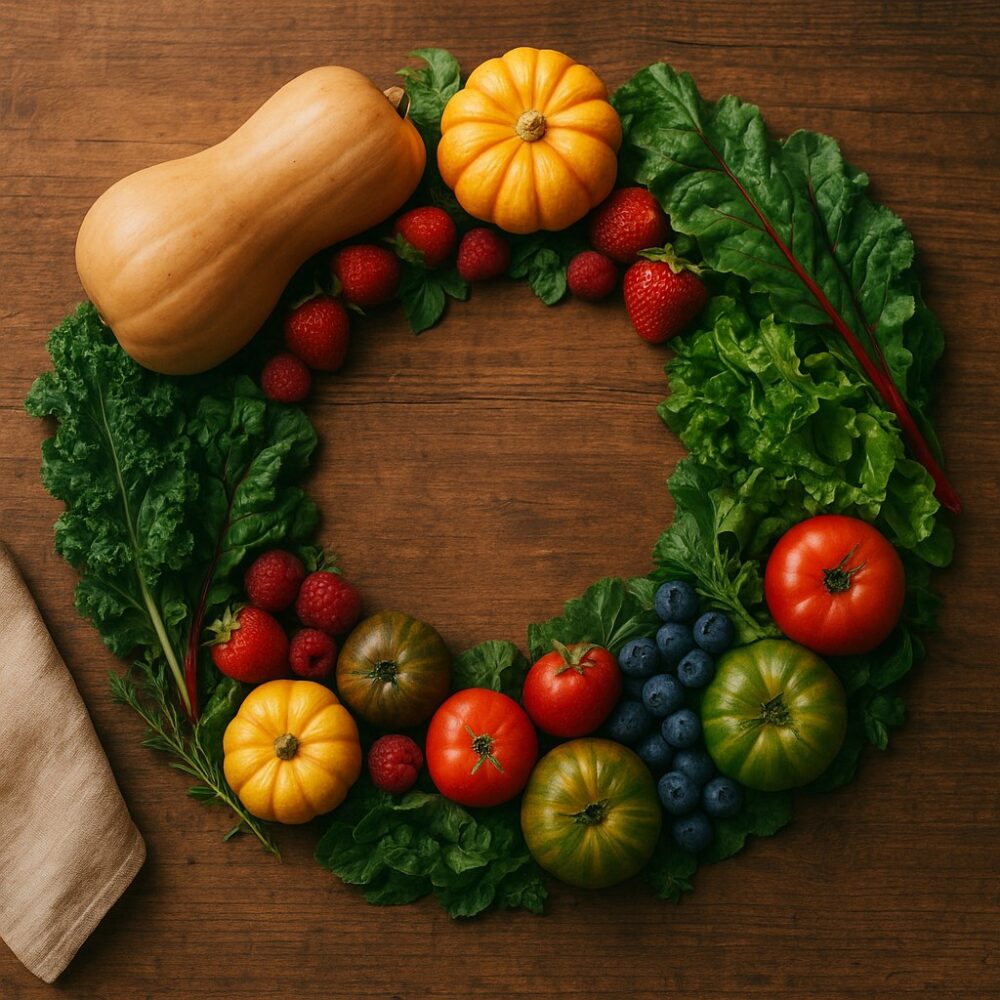
There’s something almost poetic about biting into a sun-ripened strawberry in June or savouring a warming butternut squash soup as autumn leaves begin to fall. Beyond the sensory pleasure, however, lies a compelling body of evidence suggesting that seasonal eating—consuming fruits and vegetables at the time of year when they’re naturally harvested—offers tangible benefits for physical health that extend far beyond the plate.
In our modern era of year-round availability, where asparagus appears in December and tomatoes grace supermarket shelves in January, we’ve become disconnected from nature’s rhythms. Yet research increasingly indicates that aligning our diets with seasonal cycles isn’t merely nostalgic romanticism—it’s a practical approach to optimising nutrition, supporting immune function, and enhancing overall wellbeing.
What Exactly Is Seasonal Eating?
Seasonal eating involves consuming produce that’s naturally grown and harvested in your local region during specific times of the year. This means enjoying crisp apples and root vegetables in autumn, citrus fruits and hardy greens in winter, tender asparagus and peas in spring, and berries and stone fruits during summer months.
Unlike the industrial food system that prioritises shelf-life and transportability, seasonal eating celebrates food at its peak—when it’s been allowed to ripen naturally, developing its full complement of nutrients, flavours, and beneficial compounds.
The Nutritional Advantage: Why Timing Matters
Higher Nutrient Density at Harvest
One of the most significant physical health benefits of seasonal eating relates to nutrient content. Research published in the Journal of Agricultural and Food Chemistry demonstrates that fruits and vegetables lose nutrients rapidly after harvest. Spinach, for instance, can lose up to 90% of its vitamin C content within 24 hours of being picked.
When produce travels thousands of miles from distant countries to reach British supermarkets—often spending weeks in transit and cold storage—the nutritional degradation can be substantial. Seasonal, locally-sourced produce, by contrast, often reaches your plate within days of harvest, preserving vital vitamins, minerals, and antioxidants.
A study comparing vitamin C levels in broccoli found that samples purchased in season (autumn) contained significantly higher concentrations than those bought out of season, when the vegetable had been transported from warmer climates.
Enhanced Antioxidant Profiles
Seasonal fruits and vegetables develop more complex phytonutrient profiles when grown in their natural conditions. These plant compounds—including flavonoids, carotenoids, and polyphenols—serve protective functions in the plant and offer remarkable health benefits when consumed.
Tomatoes grown in season under natural sunlight contain up to 50% more lycopene, a powerful antioxidant linked to reduced risk of certain cancers and cardiovascular disease, compared to those grown in greenhouses or picked prematurely for long-distance transport.
Supporting Your Body’s Seasonal Needs
Intriguingly, seasonal eating appears to align with our physiological requirements throughout the year—a phenomenon that makes biological sense when you consider human evolution.
Winter: Immune Support When You Need It Most
Winter’s seasonal offerings—citrus fruits, Brussels sprouts, kale, and root vegetables—are remarkably rich in vitamin C, vitamin A, and other immune-supporting nutrients. A single serving of Brussels sprouts provides over 100% of your daily vitamin C requirement, whilst citrus fruits offer bioflavonoids that enhance vitamin C absorption and function.
This seasonal abundance arrives precisely when cold and flu viruses circulate most actively, and when reduced sunlight compromises immune function. It’s a pattern that suggests our food environment evolved to support our health needs.
Summer: Hydration and Light Nutrition
Summer’s harvest—cucumbers, tomatoes, courgettes, and berries—boasts exceptionally high water content, often exceeding 90%. These foods provide natural hydration during warmer months when fluid requirements increase, alongside antioxidants that may offer some protection against UV-induced cellular damage.
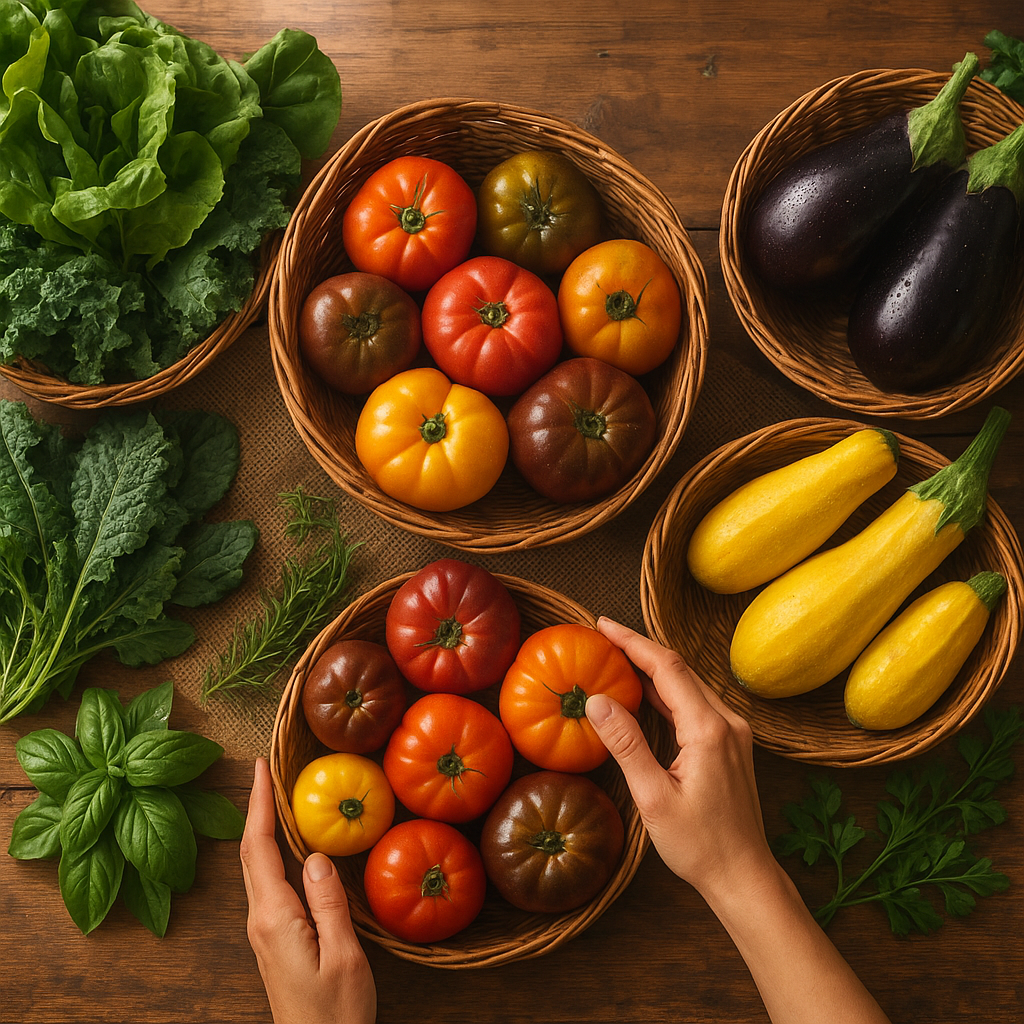
Watermelon, for instance, contains lycopene and citrulline, compounds that support cardiovascular health and may help the body manage heat stress more effectively.
The Physical Activity Connection
Seasonal eating naturally complements an active lifestyle—another cornerstone of physical health. The health benefits of eating well and staying physically active are well-documented and synergistic: together, they reduce risk of chronic diseases including type 2 diabetes, cardiovascular disease, and certain cancers by up to 50%, according to NHS data.
Seasonal produce supports physical activity in practical ways. Autumn’s complex carbohydrates from squashes and root vegetables provide sustained energy for outdoor activities. Summer’s lighter fare won’t weigh you down during warmer-weather exercise. Spring’s nutrient-dense greens support recovery and reduce inflammation after winter’s relative inactivity.
Research from the World Health Organisation indicates that individuals consuming at least five portions of fruits and vegetables daily—easily achieved through seasonal eating—whilst maintaining regular physical activity, experience significantly lower rates of obesity, hypertension, and metabolic syndrome.
Answering Common Questions About Healthy Eating
Is 7 Fruits a Day Too Much?
Whilst fruits offer tremendous nutritional benefits, consuming seven portions daily likely exceeds optimal intake for most people. Current NHS guidelines recommend at least five portions of combined fruits and vegetables daily, with some research suggesting benefits plateau around five to seven servings total—not seven servings of fruit alone.
Fruits contain natural sugars, and whilst these come packaged with fibre, vitamins, and antioxidants, excessive consumption could contribute to calorie surplus and blood sugar fluctuations. A more balanced approach involves prioritising vegetables (aiming for 3-4 servings) alongside 2-3 servings of seasonal fruits.
Seasonal eating naturally moderates fruit intake—you’re less likely to overindulge when enjoying fruits at their peak season rather than having constant year-round access to all varieties.
What Is the Number One Healthiest Vegetable?
Whilst nutritionists debate the “healthiest” vegetable, watercress consistently ranks at the top of nutrient-density scales. Research from the Centers for Disease Control and Prevention awarded watercress a perfect nutrient density score of 100, based on its concentration of 17 essential nutrients relative to its calorie content.
This peppery green contains exceptional levels of vitamin K (essential for bone health and blood clotting), vitamin C, vitamin A, and compounds called glucosinolates that support the body’s natural detoxification processes.
Other nutritional powerhouses include spinach, kale, Swiss chard, and broccoli—all vegetables that feature prominently in British seasonal eating patterns during autumn and winter months. Rather than fixating on a single “superfood,” the evidence suggests that variety across seasonal vegetables provides the broadest spectrum of protective nutrients.
The Longevity Question: Foods That Extend Life
You may have encountered the striking claim that certain foods can “add 33 minutes to your life.” This assertion originates from a University of Michigan study published in Nature Food, which developed a Health Nutritional Index quantifying the health burden or benefit of various foods in minutes of healthy life gained or lost.
According to this research, consuming a handful of nuts (approximately 30g) could add roughly 26 minutes of healthy life, whilst foods like sardines in tomato sauce might add 71 minutes. The 33-minute figure has been associated with various foods in media coverage, though the study itself emphasises that dietary patterns matter more than individual “miracle” foods.
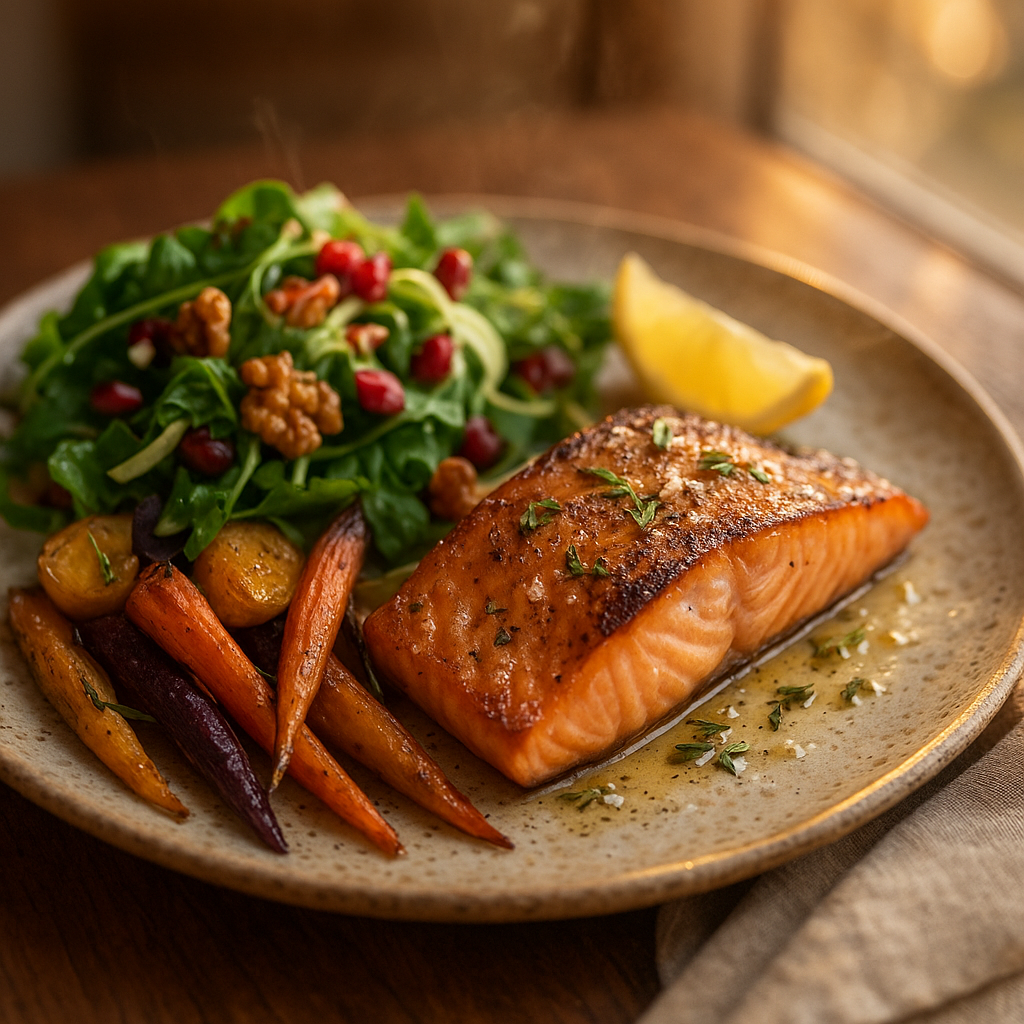
Crucially, the research found that substituting just 10% of daily calories from processed meats with fruits, vegetables, nuts, and certain seafood could add approximately 48 minutes of healthy life per day. This underscores the profound impact of dietary choices—particularly increasing consumption of minimally processed, plant-based foods that feature prominently in seasonal eating patterns.
Practical Benefits Beyond Nutrition
Natural Variety and Dietary Diversity
Seasonal eating inherently promotes dietary diversity—a key factor in gut health and overall wellbeing. Research published in The American Journal of Clinical Nutrition demonstrates that individuals consuming 30 or more different plant foods weekly harbour significantly more diverse gut microbiomes than those consuming fewer varieties.
A diverse microbiome supports immune function, mental health through the gut-brain axis, and may influence everything from weight management to inflammation levels. When you eat seasonally, you naturally rotate through different fruits and vegetables throughout the year, effortlessly achieving this beneficial diversity.
Cost-Effectiveness and Accessibility
Seasonal produce typically costs significantly less than out-of-season alternatives. When strawberries flood British markets in June, prices drop substantially compared to imported winter berries. This economic advantage makes nutritious eating more accessible—an important consideration when addressing health inequalities.
Analysis by food waste charity WRAP found that shopping seasonally can reduce fresh produce costs by 20-30%, freeing budget for other nutritious foods or making healthy eating more sustainable for households facing financial constraints.
Making Seasonal Eating Work for You
Transitioning towards seasonal eating needn’t be complicated or restrictive. Adopting mindful eating practices can help you appreciate seasonal produce more fully, whilst focusing on creating meals that nourish both body and soul makes the transition more sustainable:
- Start with one seasonal swap weekly – Choose a single in-season item to replace an out-of-season staple
- Explore farmers’ markets – These naturally showcase what’s currently being harvested locally
- Learn basic preservation techniques – Freezing, fermenting, or making preserves allows you to enjoy seasonal abundance year-round
- Embrace frozen alternatives – Frozen fruits and vegetables, often frozen at peak ripeness, can be more nutritious than fresh produce that’s travelled extensively
- Consult seasonal food charts – Organisations like the Soil Association provide helpful UK-specific seasonal calendars
Conclusion
The physical health benefits of seasonal eating extend well beyond romantic notions of countryside living. From measurably higher nutrient content and enhanced antioxidant profiles to natural alignment with our bodies’ seasonal requirements, eating with the seasons offers a practical, evidence-based approach to optimising nutrition.
When combined with regular physical activity and overall dietary balance—incorporating adequate vegetables, moderate fruit consumption, and nutrient-dense choices like watercress, leafy greens, and seasonal produce—the benefits multiply. The research suggests that these dietary patterns don’t merely add years to life, but life to years, supporting vitality, immune function, and disease prevention.
Perhaps most compellingly, seasonal eating reconnects us with natural rhythms that industrial food systems have obscured. It encourages variety, supports local economies, reduces environmental impact, and—quite simply—tastes better. That June strawberry, ripened under the British sun rather than flown thousands of miles, delivers not just superior nutrition but a sensory experience that reminds us food should nourish both body and spirit.
As research continues unveiling the intricate relationships between diet, timing, and health, one principle remains clear: nature’s seasonal menu, refined over millennia, offers wisdom worth rediscovering on our modern plates.