
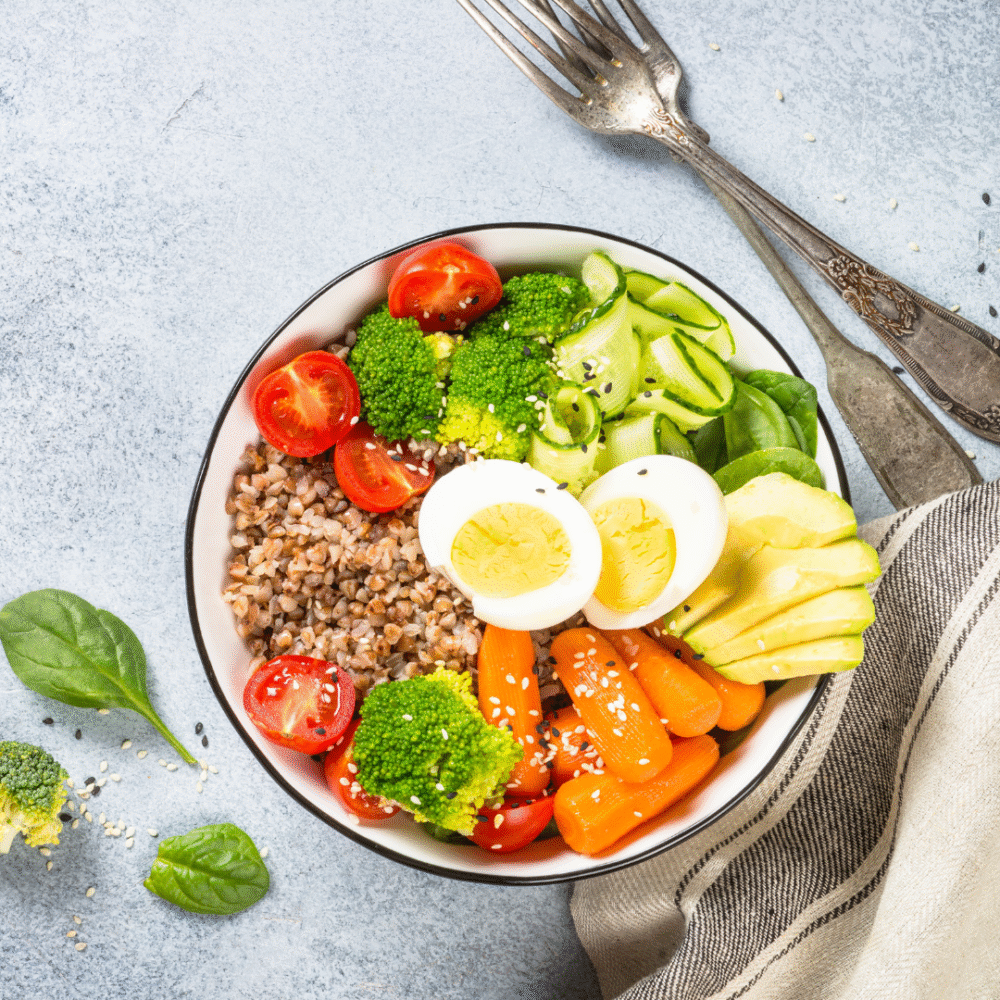
Plant-based proteins have garnered significant attention as more individuals shift towards vegetarian and vegan diets. These proteins not only support adequate protein intake but also offer a variety of health benefits. Incorporating a range of plant-based protein sources can help individuals meet their nutritional needs without relying on animal products.
The landscape of nutrition has evolved, and many now recognise that a plant-based diet can be both nutritious and satisfying. Legumes, nuts, seeds, and whole grains are just a few examples of protein-rich foods that can easily fit into daily meals. Understanding how to diversify protein sources can empower those adopting a vegetarian or vegan lifestyle to thrive.
With a wealth of options available, exploring plant-based proteins can make meal planning enjoyable and sustainable. The potential to enhance health while reducing environmental impact adds to its appeal, making it a topic worthy of exploration for anyone considering a shift in their dietary choices.
Essentials of Plant-Based Proteins
Plant-based proteins are crucial for those looking to maintain a healthy diet without animal products. This section focuses on the structure of proteins, the variety of sources available, and the differences between complete and incomplete proteins.
Understanding Protein Structure and Function
Proteins are made up of amino acids, which are the building blocks essential for various bodily functions. There are 20 different amino acids, nine of which are classified as essential, meaning they must be obtained through diet.
Plant-based proteins often vary in amino acid profiles. While some plant sources provide a broad array of essential amino acids, others may lack one or more. For instance, lentils and chickpeas offer a good balance of essential amino acids, making them valuable sources for a plant-based diet.
Diversity of Plant-Based Protein Sources
There is a wide range of plant-based protein sources available. Common options include legumes, grains, nuts, and seeds.
| Source | Protein Content (per 100g) |
| Lentils | 9g |
| Chickpeas | 19g |
| Hemp Seeds | 33g |
| Quinoa | 4g |
Hemp seeds, for example, provide high protein quality and contain all essential amino acids, which is rare among plant foods. Other notable sources include tofu and tempeh, made from soybeans and rich in protein.
Comparing Complete and Incomplete Proteins
Proteins are classified as complete or incomplete based on their amino acid composition. Complete proteins contain all nine essential amino acids in adequate amounts, while incomplete proteins lack one or more.
Many plant sources, such as quinoa and soy, qualify as complete proteins. In contrast, most legumes, while high in protein, may be considered incomplete but can be combined with grains to achieve a complete profile. For example, pairing rice with lentils utilises complementary proteins, ensuring that individuals meet their protein requirements effectively.
Nutritional Profile and Health Benefits
Plant-based proteins offer a variety of essential nutrients that contribute to overall health. Understanding their mineral and vitamin content, the needs for those following vegan and vegetarian diets, and the health impacts can clarify their role in nutrition.
Minerals and Vitamins in Plant-Based Proteins
Plant-based proteins are rich in essential minerals such as iron, calcium, and zinc. While plant sources provide non-heme iron, it is essential to pair them with vitamin C for better absorption.
Calcium is abundant in leafy greens, tofu, and fortified plant milks, vital for bone health. Zinc, found in legumes, seeds, and whole grains, supports immune function.
Additionally, some plant proteins are sources of omega-3 fatty acids, particularly those from flaxseeds and chia seeds, which are important for heart health.
Special Considerations for Vegan and Vegetarian Diets
Individuals following vegan or vegetarian diets may face challenges related to specific nutrient deficiencies. Vitamin B12, primarily found in animal products, is crucial and often requires supplementation in plant-based diets to prevent deficiency.
Moreover, vitamin D can be harder to obtain as it is mainly sourced from sunlight and fortified foods. Plant-based eaters should consider fortified options or supplements to support their health.
Monitoring protein per serving is important, as not all plant proteins provide a complete amino acid profile. Combining different protein sources, such as beans with rice, can help ensure a balanced intake.
Health Impact of Plant-Based Proteins
Incorporating plant-based proteins into the diet can offer significant health benefits. Research indicates that such diets can help manage blood pressure and promote heart health due to their healthy fat content and fibre.
They are typically lower in saturated fats, reducing the risk of chronic diseases. These proteins also support weight loss, as they tend to be more filling and lower in calories compared to animal proteins.
By choosing diverse sources of plant-based proteins, it is possible to gain all essential nutrients while minimising health risks. A focus on varying protein intake can prevent deficits and promote optimal health.
Incorporating Plant-Based Proteins into Your Diet
Incorporating plant-based proteins into daily meals can be both enjoyable and nutritious. This section offers creative methods to prepare these proteins and practical tips for meal planning.
Creative Cooking with Plant-Based Proteins
Tofu and tempeh are versatile ingredients that can absorb various flavours. They can be used in stir-fries, salads, or grilled for added texture.
Quinoa, an ancient grain, serves as a protein-rich base for salads or as a side dish. With approximately 14 grams of protein per 100 grams, it’s an excellent choice alongside legumes.
For a nutty flavour, consider adding nuts and seeds, such as pumpkin seeds or sunflower seeds, to meals. They offer healthy fats and protein, enhancing the overall nutrient profile of dishes.
Nutritional yeast can be sprinkled on meals for a cheesy flavour without dairy, providing essential B vitamins along with protein.
Meal Planning and Preparation Tips
When planning meals, include a variety of protein sources like edamame, chickpeas, and lentils. Incorporating diverse options ensures adequate nutrient intake.
Whole grains such as buckwheat, spelt, and wild rice pair well with legumes. They not only increase protein consumption but also provide complex carbohydrates for sustained energy.
For breakfast, oatmeal can be fortified with nut butter or seeds, offering a balanced meal.
When creating meal schedules, consider batch cooking to simplify meals throughout the week. Use containers to store prepped ingredients, making it easier to assemble quick, healthy dishes.
Plant-based diets can be easily enriched with protein without sacrificing taste or enjoyment.
Environmental and Ethical Considerations
Plant-based proteins are increasingly recognised for their potential to support sustainable diets and address ethical issues related to food production. Assessing their impact reveals important insights regarding environmental sustainability and animal welfare.
Sustainability and Food Choices
Plant-based proteins typically require fewer resources to produce compared to animal-based proteins. They consume less water and land and emit lower levels of greenhouse gases. For instance, producing one kilogram of beef can require up to 15,000 litres of water, while legumes may only need about 1,800 litres.
Meat substitutes, derived from sources like soy, peas, and lentils, offer sustainable alternatives. As consumers pivot towards these options, it can reduce the overall demand for animal farming. This shift plays a significant role in promoting a sustainable diet, minimising environmental footprints, and conserving natural resources for future generations.
Animal Welfare and Plant-Based Alternatives
Plant-based alternatives present a compelling case for improved animal welfare. The animal agriculture industry often involves practices that can lead to stress and suffering for livestock. Transitioning to plant-based proteins can mitigate these ethical concerns.
By choosing plant-based options, consumers actively contribute to reducing the number of animals raised for food and the associated welfare issues. Furthermore, plant proteins can offer similar nutritional profiles to meat substitutes, allowing individuals to maintain balanced diets without contributing to animal exploitation. This ethical consideration resonates with those prioritising humane food sources.