Many people struggle to find snacks that satisfy hunger without causing an energy crash soon after. High-protein snacks offer a practical solution by slowing digestion and keeping the body feeling full for longer periods.
Protein-rich foods like nuts, seeds, and Greek yoghurt provide lasting energy and reduce the need for frequent snacking. These options help maintain steady blood sugar levels, which supports better concentration and fewer cravings throughout the day.
Choosing the right high-protein snacks can improve dietary habits and overall well-being. Understanding which snacks offer the most significant benefits will help readers make informed choices that support their health goals.
How High-Protein Snacks Keep You Fuller for Longer
High-protein snacks provide a steady energy supply and help regulate hunger hormones, making it easier to avoid overeating. They also support muscle repair and improve overall energy levels by offering a consistent protein boost.
The Science Behind Protein and Satiety
Protein increases the release of hormones like peptide YY and GLP-1, which signal fullness to the brain. This slows down digestion and reduces hunger more effectively than fats or carbohydrates.
A higher protein content in snacks raises satiety signals, meaning people tend to eat less during their next meal. This is partly because protein requires more energy to digest, which prolongs the feeling of fullness.
Benefits for Appetite Control and Energy
High-protein snacks stabilise blood sugar levels, preventing sudden energy crashes and cravings. This steady energy helps maintain focus and reduces the temptation to snack frequently.
Including a protein boost between meals aids appetite control by moderating ghrelin, the hunger hormone. As a result, people stay energised and experience fewer hunger pangs.
Role in Muscle Repair and Recovery
Protein in snacks supplies the amino acids needed for muscle repair after physical activity. This is especially important for those who exercise regularly or have physically demanding routines.
Consuming protein-rich snacks supports muscle recovery, which helps reduce soreness and improve strength. This contributes to maintaining muscle health and overall physical performance.
Best High-Protein Snacks That Genuinely Satisfy
High-protein snacks that provide lasting fullness focus on nutrient-dense options with balanced macros. Combining protein with healthy fats or fibre enhances satiety and supports energy levels between meals.
Dairy Favourites: Greek Yoghurt, Cottage Cheese and String Cheese
Greek yoghurt is a top choice with approximately 10g of protein per 100g serving. Its thick texture and natural probiotics also benefit digestion. Adding berries offers antioxidants and fibre without excess sugar.
Cottage cheese delivers around 11g of protein per 100g and pairs well with nuts like almonds for extra fat and crunch. It’s low in carbs, making it suitable for various dietary needs.
String cheese provides a convenient, portion-controlled protein source (about 7g per stick). It is rich in calcium and can be paired with fruit or whole-grain crackers for a balanced snack.
Eggs and Savoury Options: Boiled Eggs, Hard-Boiled Eggs and Jerky
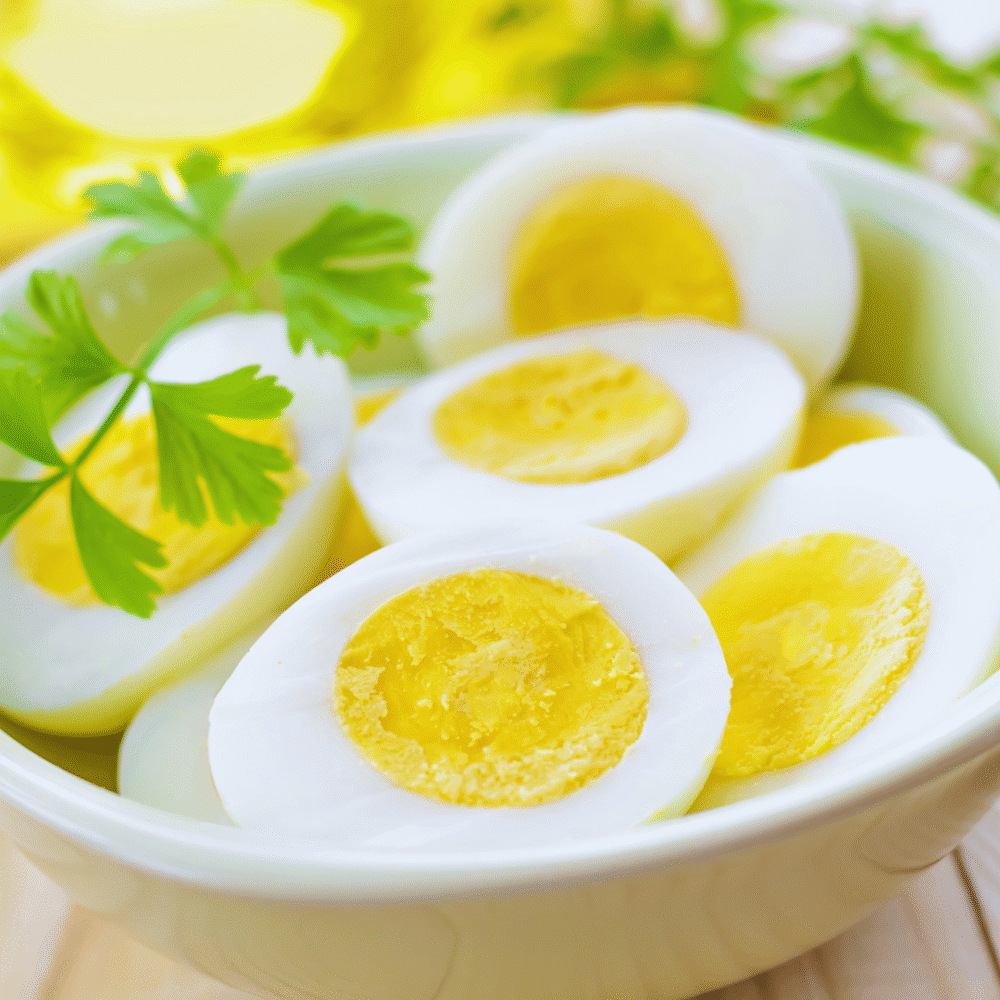
Boiled and hard-boiled eggs offer roughly 6g of complete protein each. They are easily portable and help control hunger through high-quality protein and healthy fats.
Jerky varies by type but typically contains 9-15g of protein per serving. It is low in carbohydrates and can be a practical option for a savoury protein snack, though it is important to choose low-sodium and minimally processed varieties.
These options fit well into snack routines that prioritise convenience without sacrificing nutritional value.
Plant-Based Power: Roasted Chickpeas, Edamame and Chia Seeds
Roasted chickpeas provide about 7-8g of protein per 28g serving. They offer fibre as well, increasing fullness and supporting digestion with a crunchy texture.
Edamame (young soybeans) are high in protein, with around 11g per 100g. They also contain essential amino acids and can be enjoyed steamed or lightly salted.
Chia seeds have approximately 4g of protein per tablespoon and absorb liquid to form a gel. This property promotes fullness, and they are high in fibre and omega-3 fatty acids.
Hearty Combos: Tuna Salad, Whole Grain Crackers and Nut Butters
Tuna salad is an excellent source of lean protein, providing about 20-25g per 100g serving. Combining it with whole-grain crackers adds complex carbs and fibre for sustained energy.
Whole-grain crackers themselves deliver some protein and are a good vehicle for nut butters. Nut butters like peanut butter contain around 7-8g of protein per two tablespoons, along with healthy fats that help keep hunger at bay.
These combinations offer a balanced mix of protein, fat and carbohydrates, making them filling and nutrient-rich snacks.
Nutrition Tips for Maximising the Fullness Factor
Maximising fullness in snacks relies on combining key nutrients that slow digestion and sustain energy. Incorporating specific fats, fibres, and managing portion sizes can help maintain satiety between meals.
Healthy Fats and Their Impact on Satiety
Healthy fats, such as those found in avocado or nuts, slow stomach emptying, which extends feelings of fullness. Omega-3 fatty acids, present in walnuts and flaxseeds, also contribute to appetite regulation by influencing hormones linked to hunger.
Including sources like avocado toast or a small portion of trail mix provides these fats while boosting nutrient intake. Fat’s calorie density means even modest amounts effectively curb hunger, but balance is important to avoid excess energy intake.
Fat also supports nutrient absorption, particularly fat-soluble vitamins, and provides sustained energy, making snacks that combine protein and healthy fats more filling than protein alone.
Fibre-Rich Pairings for Balanced Snacks
Fibre is key to satiety as it adds bulk and slows digestion. Soluble fibre, found in quinoa, oats, and legumes, forms a gel-like substance in the gut, prolonging nutrient absorption and stabilising blood sugar.
This slows hunger signals and supports gut health by feeding beneficial probiotics. Combining high-protein snacks with fibre, such as Greek yoghurt mixed with berries and flaxseed, improves fullness better than protein alone.
Aiming for snacks with both soluble and insoluble fibre contributes to digestive regularity and creates a lasting feeling of satisfaction. Fibre also promotes calcium absorption, important for overall health and weight management.
Smart Snacking with Portion Control
Controlling portion size ensures snacks provide adequate fullness without excessive calories. Measuring typical serving sizes for items like trail mix or quinoa salad helps prevent overeating.
Snacks ideally contain 150-250 calories with a balance of protein, fat, and fibre to maintain fullness. For example, a tablespoon of nut butter with crisp vegetables delivers protein, fat, and fibre within a controlled portion.
Mindful eating encourages slower consumption, allowing the body’s hunger cues to register and reducing the risk of unnecessary snacking. Small, frequent snacks timed between meals can maintain energy without undermining appetite for main meals.
Creative Snack Ideas and Flavour Boosters
Selecting snacks that combine protein with appealing flavours helps maintain fullness and satisfaction. Adding variety with textures and seasonings can enhance both the nutrition and enjoyment of high-protein options.
Hummus and Veggie Pairings
Hummus is a versatile, high-protein snack base rich in chickpeas and often tahini. Pairing hummus with crunchy vegetables like celery sticks, carrots, bell peppers, and cucumbers provides fibre and vitamins, which aid digestion and satiety.
Different types of hummus, such as roasted red pepper or garlic, add distinct tastes without extra calories. For a protein boost, consider adding a spoonful of hemp seeds or finely chopped boiled eggs into the hummus. This keeps snacks interesting and nutrient-dense.
Protein Shakes and Smoothie Variations
Protein shakes made with protein powder are convenient and quick to prepare. Using whey, pea, or soy protein powder offers options for different dietary needs. Blending protein powder with ingredients like pineapple and blueberries enhances flavour and adds antioxidants and fibre.
For creaminess and extra protein, mixing in Greek yoghurt or silken tofu is effective. To increase texture and fullness, adding ice, spinach, or a small spoonful of oats helps without diluting the protein content.
Sweet and Savoury Mixes: Fruit, Seeds and Nuts
Combining fruit with seeds and nuts creates snacks that release energy slowly. A mix of blueberries with pumpkin seeds and almonds delivers protein, healthy fats, and natural sugars for a balanced effect.
Adding dried fruits like apricots or raisins in moderation maintains sweetness while controlling calorie count. This type of snack works well as a topping for Greek yoghurt or as a standalone handful.
Seasonings and Toppings: Paprika, Sea Salt and Soy Sauce
Simple seasonings boost flavour without adding many calories. Sprinkling paprika over hummus or roasted chickpeas adds a smoky kick and antioxidants.
Sea salt enhances taste and balances sweetness in nut and fruit mixes, but should be used sparingly to avoid excess sodium. Light soy sauce is an excellent dip flavour for shrimp cocktail or vegetables, adding umami and extra protein influence with minimal calories.
These seasonings improve palatability and help maintain interest in healthy, protein-rich snacks.