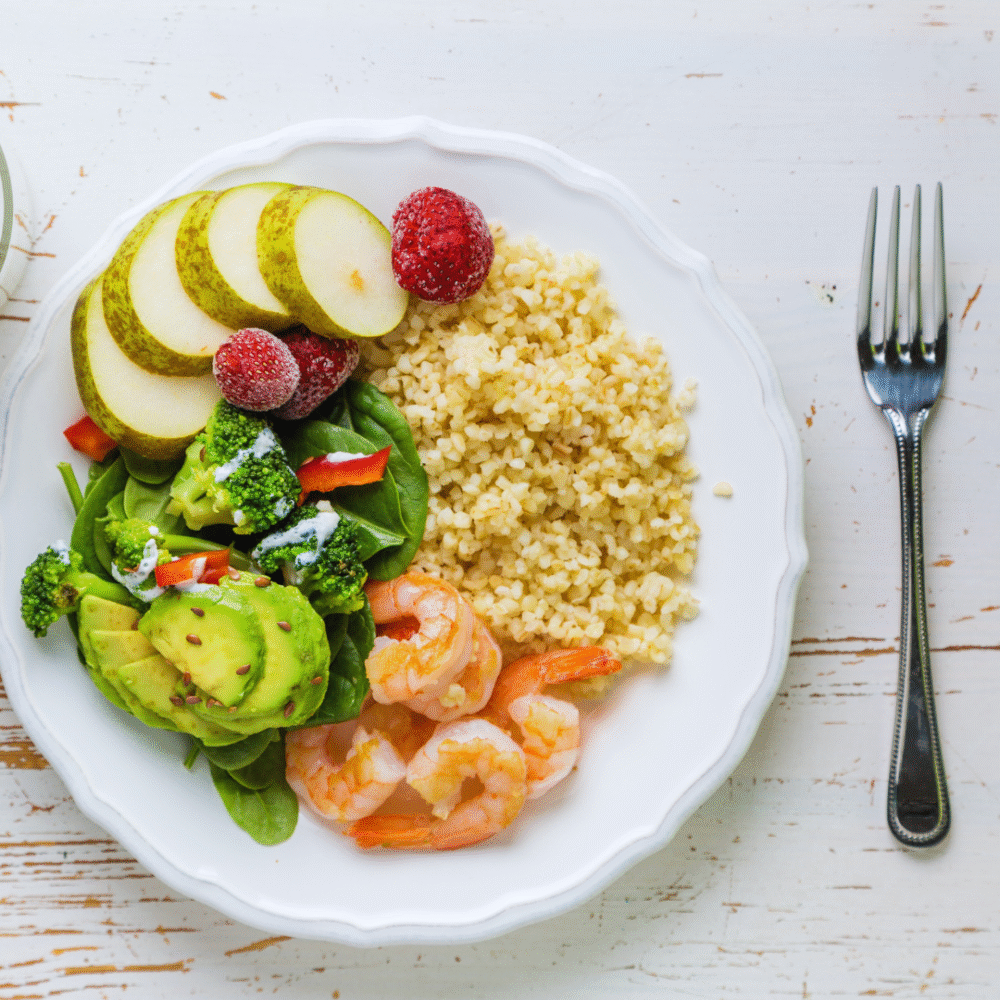
Portion control can significantly impact overall health without demanding major lifestyle changes. By simply regulating the amount of food consumed, individuals can better manage calorie intake and avoid overeating.
This straightforward strategy helps maintain a healthy weight, improves digestion, and supports long-term well-being. Small adjustments in portion sizes can add up to meaningful differences over time.
Many people overlook the power of portion control, focusing instead on complicated diets or restrictive plans. Understanding and practising this habit can make a lasting difference with less effort.
Understanding Portion Control and Its Impact
Portion control affects how much food a person eats in one sitting, influencing daily caloric intake and overall health. Recognising the difference between portion size and serving size can help manage food consumption more accurately. Misjudging portions contributes to overeating, which directly impacts weight gain.
Portion Size Versus Serving Size
Portion size is the amount of food someone chooses to eat at a given time. Serving size, however, is a standardised measurement defined by nutritional guidelines or product labels. For example, a serving size of cereal might be 30 grams, while a person’s portion could be 60 grams or more.
Confusing these two can lead to underestimating calorie intake. Serving sizes help estimate nutrient content and calories, but portion sizes reflect actual consumption. Being aware of this distinction is crucial for effective portion control and avoiding unintended overeating.
The Problem of Portion Distortion
Portion distortion refers to the gradual increase in typical food portions over the years. Restaurant meals and packaged snacks have grown larger, normalising oversized portions. This shift has made previous serving sizes seem insufficient or unappealing.
People often consume more calories without noticing, as larger portions alter perceptions of normal eating quantities. Portion distortion makes controlling caloric intake difficult because individuals rely on visual cues that are no longer accurate representations of healthy amounts.
How Overeating Influences Weight Gain
Consistently consuming food beyond the body’s energy needs leads to excess energy stored as fat. Overeating increases daily caloric intake, creating an energy imbalance. Even small daily increases of 100-200 calories can result in gradual weight gain over months.
Portion control helps limit this excess by keeping intake closer to metabolic requirements. Managing portion sizes reduces the risk of consuming hidden calories, a key factor in preventing unwanted weight gain and maintaining body weight.
The Science and Health Benefits of Portion Control
Portion control directly influences calorie consumption, which is essential for managing body weight and preventing chronic illnesses. It helps maintain a balanced diet by ensuring appropriate amounts of nutrients are consumed without excess energy intake.
Regulating Calorie Intake
Portion control allows individuals to accurately manage calorie intake, preventing overeating. By reducing portion sizes, fewer calories are consumed, which can help avoid weight gain.
For example, eating smaller servings of calorie-dense foods like nuts or cheese helps balance energy needs without sacrificing nutrition.
Using tools such as measuring cups or visual aids can improve portion accuracy. Mindful eating practices, like chewing slowly and recognising fullness cues, also assist in moderating calorie intake effectively.
Role in Weight Loss and Healthy Weight Maintenance
Controlled portions are critical for weight loss because they create a calorie deficit needed to reduce body fat. Consuming consistent but moderate portions supports weight loss without causing nutritional deficiencies.
For maintaining a healthy weight, portion control helps prevent the gradual tipping point where calorie intake exceeds energy expenditure. It fosters better awareness of actual energy needs and discourages habitual overeating.
Adjusting portions based on activity levels and personal metabolism ensures energy balance. This approach promotes sustainable weight management by aligning food consumption with the body’s requirements.
Supporting Long-Term Weight Management
Sustained portion control encourages habits that make weight management achievable over time. It reduces the likelihood of fluctuation caused by overeating or binge episodes.
Regularly monitoring portion sizes promotes consistency in calorie intake, which is fundamental to stabilising weight. It also supports the practice of balanced meals, including adequate protein, fibre, and healthy fats.
By establishing portion control as a routine, individuals can better resist environmental cues, such as large restaurant servings or super-sized portions, that can lead to weight gain.
Reducing Risk of Diabetes and Heart Disease
Excess calorie intake and obesity are major risk factors for diabetes and heart disease. Portion control helps reduce these risks by limiting energy surplus and promoting a balanced diet.
Smaller portions of high-sugar and high-fat foods help regulate blood glucose levels and cholesterol. This reduction lowers strain on the cardiovascular system and insulin response.
Maintaining a healthy weight through portion control also improves metabolic health. Clinical studies link controlled calorie intake with improved markers like blood pressure and blood sugar, reducing disease risk significantly.
Effective Techniques for Practising Portion Control
Portion control involves conscious decisions about food quantities, using practical tools and mindful habits. Techniques such as adjusting plate sizes, measuring food accurately, understanding serving sizes from food labels, and managing portions when eating out can all contribute significantly to maintaining appropriate intake levels.
Utilising Smaller Plates and Bowls
Using smaller plates and bowls reduces the visual space available for food, which can lead to serving smaller portions naturally. This method takes advantage of the brain’s perception, helping people feel satisfied with less food.
Smaller plates encourage slower eating, allowing time for fullness signals to register. It’s a simple, low-effort adjustment that aligns with dietary guidelines recommending moderate portion sizes. People should opt for plates around 8-9 inches in diameter rather than larger dinner plates.
This technique also helps avoid the tendency to “plate clean” regardless of hunger. Over time, it promotes better portion awareness and reduces calorie intake without strict measurement.
Measuring Portions with Cups and Scales
Measuring cups and kitchen scales provide precise ways to control portion sizes. Using these tools helps avoid underestimating the amount of food consumed, which is common when relying on visual estimation alone.
Standard measuring cups correspond to metric amounts, aiding adherence to dietary guidelines that specify servings in grams or millilitres. Scales offer accuracy, especially for foods difficult to portion by volume, such as meat or nuts.
For example, weighing 100g of pasta or using a 1/2 cup measuring scoop can standardise servings. It can be helpful to measure food during meal prep initially, developing a better sense of appropriate portions without the tools later.
Regular use of these methods supports consistent portion control, reducing the risk of overeating.
Checking Food Labels for Serving Information
Food labels provide detailed serving size information essential for portion control. Read the “serving size” section to understand how much constitutes one serving and the nutritional content per portion.
Serving sizes can differ significantly between products. For example, one snack bar may be one serving, while another requires eating half the bar for one portion.
Labels also show calories, fat, sugar, and salt per serving, enabling informed choices in line with dietary guidelines. Comparing these values helps select products that fit portion goals.
It is important to measure food quantities matching the listed serving to avoid inadvertently consuming multiple servings and excess calories.
Managing Restaurant and Takeaway Portions
Restaurant and takeaway portions tend to be larger than standard serving sizes, making portion control challenging. One effective strategy is to request a to-go box at the start of the meal to immediately set aside excess food.
Sharing dishes or choosing starters and sides instead of large mains can help limit intake. Selecting meals aligned with dietary guidelines, such as those rich in vegetables and lean proteins, supports better portion management.
Portion sizes can also be controlled by avoiding buffets or all-you-can-eat options, where over-serving is common. Being mindful of sauces and extras is important, as these add calories without visual bulk.
Planning ahead, for example, by checking menu nutritional information online, can assist in making portion-conscious decisions when eating out.
Building Healthy Eating Habits Through Mindful Portioning
Achieving better control over food intake starts with awareness and practice. Recognising physical cues, pacing meals, adjusting plate composition, and adopting balanced habits all contribute to sustainable dietary improvements.
Tuning Into Fullness and Hunger Cues
Recognising true hunger and fullness signals is essential for portion control. Many people eat based on habit or emotion rather than need, leading to unintentional overeating.
Listening to the body involves eating when genuinely hungry and stopping as soon as satiety occurs. He or she should try to rate hunger on a scale from 1 (starving) to 10 (uncomfortably full) before and during meals.
This awareness prevents ignoring fullness, which often leads to excessive portions. Additionally, staying hydrated can help clarify hunger signals, since thirst is frequently mistaken for hunger.
Eating Slowly and Mindfully
Eating slowly enhances satisfaction and portion control. Chewing thoroughly and pausing between bites allows the brain time to register fullness, reducing the chance of overeating.
Practising mindful eating means focusing on the meal itself without distractions, such as screens or multitasking. This promotes greater awareness of taste, texture, and satiety.
By deliberately slowing down, people often find they need less food to feel satisfied. It also helps identify emotional triggers that may cause unnecessary eating.
Filling Plates with More Vegetables
Vegetables play a critical role in portion management and healthy eating. They are low in calories but high in fibre, water, and nutrients, making plates feel fuller with less energy intake.
Replacing high-calorie foods with vegetables helps maintain satiety and improves diet quality. For instance, using a football-sized portion of mixed vegetables alongside a smaller amount of protein and carbohydrates can regulate portion size naturally.
Incorporating a variety of colours and types increases micronutrient intake and supports better digestion. Vegetables also aid hydration due to their high water content, reinforcing healthy eating habits.
Encouraging Moderation and Balanced Dietary Habits
Moderation means consuming all food groups in reasonable amounts without rigid restrictions. A balanced diet includes proteins, fats, carbohydrates, and plenty of vegetables, allowing for occasional treats without guilt.
He or she should develop flexible dietary habits, focusing on portion size rather than complete avoidance. Learning to recognise appropriate serving sizes and not skipping meals supports better appetite regulation.
Tracking meals or using visual cues like standard-sized plates can promote consistency. Moderation improves adherence to healthy eating over time and reduces the risk of bingeing or overeating.