
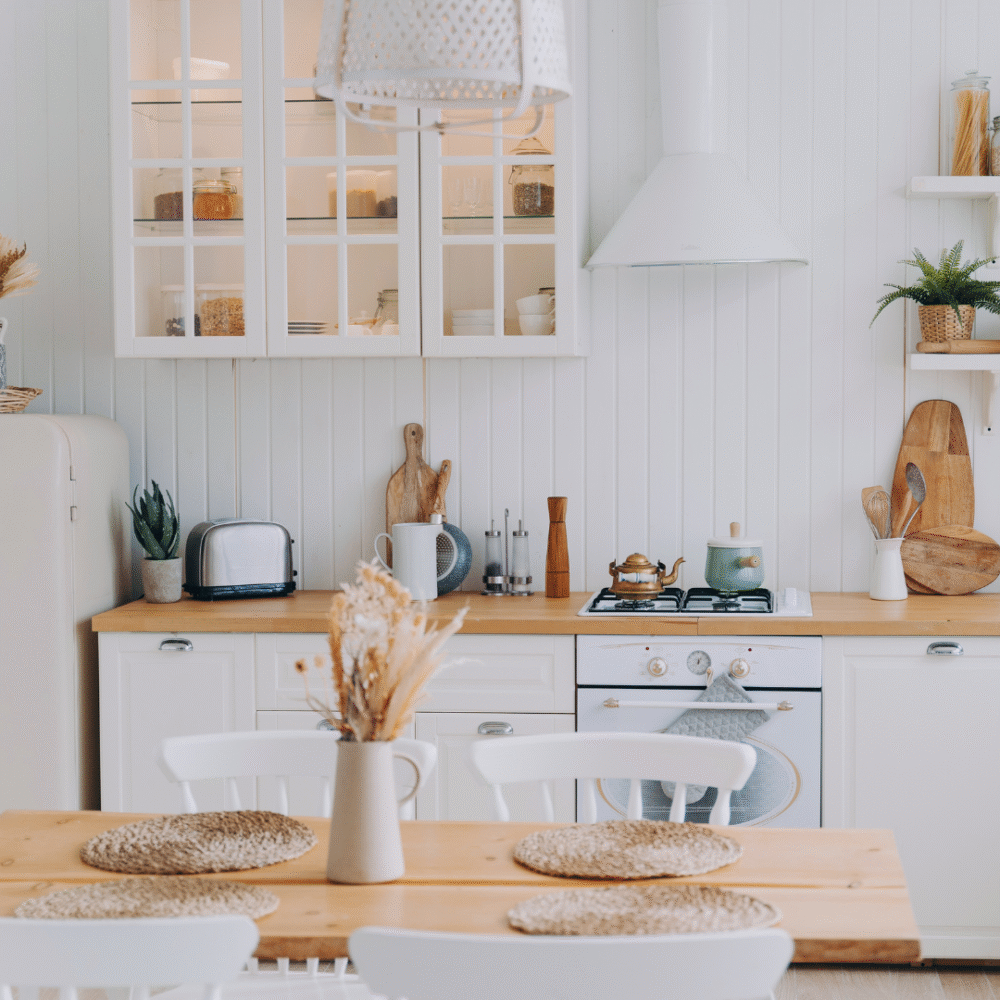
Creating a cosy kitchen that invites connection is about more than just decor; it involves designing a space that encourages comfort and conversation. The right lighting, comfortable seating, and thoughtful layout can turn a kitchen into a welcoming hub where people naturally gather.
Adding warm colours, soft textures, and personal touches helps create an atmosphere that feels inviting and encourages interaction. Practical elements, such as a well-placed kitchen island or breakfast nook, also play a key role in fostering togetherness.
By focusing on both functionality and ambience, a kitchen becomes a place where everyday moments are shared and enjoyed. This balance makes it easier for people to connect while cooking, eating, or relaxing in the space.
Core Elements of a Cosy and Inviting Kitchen
A kitchen that encourages connection combines thoughtful colour schemes, ample natural light, and well-planned artificial lighting. These features create warmth and comfort while supporting practical use.
Warm Colour Palettes and Textures
Warm colours such as soft terracotta, muted ochre, and deep olive green create a comforting atmosphere. These tones work well on walls, cabinetry, or accessories to evoke a sense of calm and welcome.
Texture plays a key role, too. Natural materials like wood, stone, and ceramic add tactile interest. For example, a wooden dining table or exposed wooden beams introduce a rustic feel, while textured tiles can add subtle depth.
Using layers of texture, such as woven linen curtains or chunky wool seat cushions, further enhances the cosy vibe. The combination of warm hues and varied textures makes the kitchen inviting without overwhelming the senses.
Maximising Natural Light with Large Windows
Large windows are essential for inviting natural light into the kitchen, which helps create an open, cheerful environment. South-facing or east-facing windows provide ample daylight during key meal preparation times.
Sheer or light-filtering curtains maintain privacy without blocking light. Positioning the dining area near these windows encourages natural social gatherings.
Large windows also offer visual connections to outdoor spaces like gardens, making the kitchen feel larger and more relaxing. Careful window placement can reduce the need for artificial lighting during the day, supporting energy efficiency.
Effective Lighting Design and Chandelier Selection
Layered lighting is vital for functionality and ambience. Task lighting, such as under-cabinet LEDs, ensures work surfaces are well-lit for cooking.
Ambient lighting, often achieved through ceiling fixtures, sets the overall mood. A chandelier can act as a stylish focal point and provide diffused light. Selecting a chandelier with a warm glow and a design that complements the kitchen’s style helps balance practicality and atmosphere.
Dimmers allow adjustment of light intensity, enabling the space to shift from bright work mode to softer, relaxing settings. Proper lighting design supports both daily use and intimate gatherings.
Design Principles for a Connected Kitchen Atmosphere
Creating a kitchen that fosters connection relies on combining specific design elements. These include choosing the right style influences, integrating natural transitions, and personalising with meaningful details.
Farmhouse Style Inspirations and Rustic Touches
Farmhouse style centres on simplicity and natural materials, which encourage a warm, inviting atmosphere. Features like exposed wooden beams, open shelving, and reclaimed wood surfaces add authenticity and texture.
Rustic touches such as wrought iron fixtures, terracotta pots, or a large farmhouse sink reinforce a lived-in, practical feel. Soft, neutral colour palettes with muted tones create a calming backdrop that welcomes gatherings.
Utilising farmhouse-style cabinetry with classic panel doors provides functional storage while enhancing style. Lighting choices like vintage pendant lamps or lanterns above an island work to highlight the space’s character and usability.
Seamless Indoor-Outdoor Flow
A connected kitchen benefits greatly from blending indoor and outdoor areas. Large glass doors or bi-fold windows that open onto a patio create a smooth transition and extend usable space.
Using similar flooring materials both inside and outside helps maintain visual continuity. Outdoor dining or seating areas adjacent to the kitchen encourage family and friends to move freely between zones.
Plants and natural light further integrate the two spaces. Including herbs in pots or small garden beds near the kitchen adds freshness and utility without interrupting the flow.
Personalised Accessories and Decor
Personal touches make a kitchen feel lived-in and welcoming. Displaying family heirlooms, such as a vintage teapot or handmade ceramics, adds character and sparks conversation.
Functional accessories like customised chopping boards or labelled jars keep practicality while contributing to the décor. Textiles such as patterned tea towels or cushions in seating nooks introduce soft textures and colour.
Artworks or photographic prints related to food or the local area deepen the connection to place. This careful curation ensures the kitchen reflects the people who use it rather than feeling like a showroom.
Functional Layouts and Social Spaces
A well-designed kitchen balances practical use with areas that encourage social interaction. Effective layouts consider the flow between cooking, dining, and relaxing, enhancing connection without sacrificing functionality.
Optimising the Dining Area for Gathering
Positioning the dining area close to the kitchen facilitates easy serving and maintains conversation between the cook and guests. A table with a shape that suits the space, such as round for smaller rooms or rectangular for longer areas, helps maximise seating without crowding.
Using soft lighting above the dining table creates a welcoming atmosphere while practical storage nearby keeps essentials within reach. Adding a bench along one side can increase seating capacity without needing extra chairs.
Integrating Open Storage Solutions
Open storage increases accessibility and encourages openness in the kitchen. Shelves or cupboards without doors display frequently used items, making them easy to grab during meal preparation or social time.
Items stored openly should be organised neatly and blend with the kitchen’s style. Using uniform containers or matching crockery can reduce visual clutter, maintaining the room’s cosy feel while keeping things functional and inviting.
Flexible Seating Arrangements
Incorporating a variety of seating options caters to different group sizes and activities. Bar stools at a kitchen island offer casual spots for quick meals or chatting while cooking.
Portable chairs or stackable stools can be added for extra guests and stored away when not in use. This flexibility adapts the space for both everyday use and larger gatherings, supporting connection and comfort.
Finishing Touches to Enhance Comfort and Connection
Comfort in a kitchen is often defined by small, intentional details. These elements contribute to the atmosphere and make the space more inviting and practical for gathering.
Choosing Brass Hardware for Subtle Warmth
Brass hardware adds a quiet warmth to kitchen spaces through its rich, golden tones. Handles, knobs, and hinges in brass catch light subtly, creating a welcoming glow without overwhelming other design features.
Durability is a key benefit of brass, as it resists corrosion and ages gracefully, often developing a desirable patina that adds character. Its versatility suits both traditional and contemporary kitchens, blending seamlessly with wood, stone, or painted cabinets.
Choosing matte or satin finishes can reduce glare and fingerprints, maintaining a clean look. Brass fittings also coordinate well with warm-toned fixtures, reinforcing the kitchen’s cosy atmosphere.
Selecting Inviting Textiles and Soft Furnishings
Textiles provide both physical comfort and visual softness. Cushioned seat pads, linen curtains, and woven rugs introduce tactile warmth, making the kitchen more inviting to linger in.
Opting for natural fibres like cotton or wool improves breathability and durability. Patterns such as subtle checks or gentle stripes foster a relaxed yet refined aesthetic without clashing with other kitchen elements.
Plaids or textured cushions near dining or seating areas encourage connection by inviting people to sit longer comfortably. Consider machine-washable or easy-care fabrics for practicality in busy kitchens.