
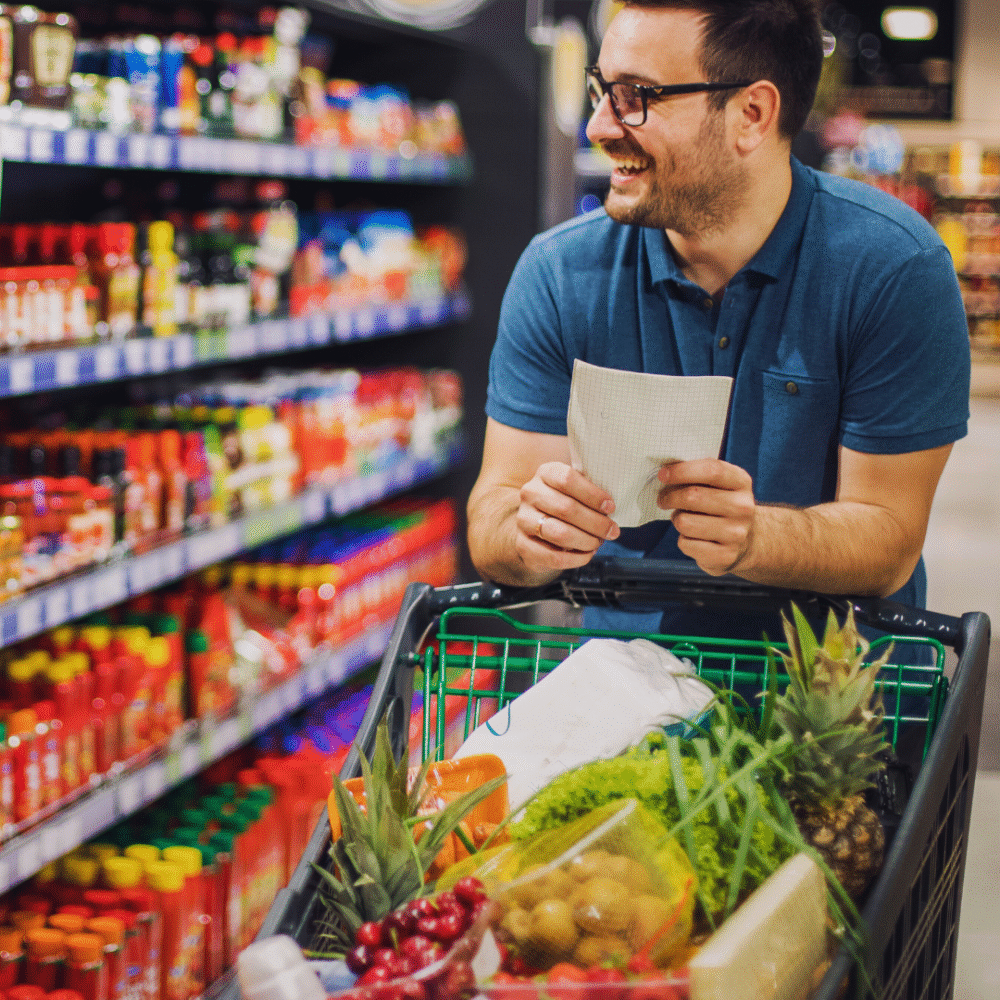
Many people want to reduce waste when shopping for groceries, but aren’t sure where to start. The key to shopping with less waste is planning carefully, choosing products with minimal packaging, and buying only what is needed. This approach helps cut down on plastic, food spoilage, and unnecessary purchases.
Shoppers who prepare lists based on meals for the week and bring reusable bags and containers can significantly reduce waste. Selecting loose fruits and vegetables instead of pre-packaged items also makes a difference. Simple changes in shopping habits create a positive environmental impact without sacrificing convenience or variety.
Planning For Low-Waste Grocery Shopping
Effective preparation is essential to minimise food waste and support a sustainable lifestyle. It involves thoughtful consideration of meals, careful checking of current supplies, and a targeted shopping list.
Meal Planning To Reduce Food Waste
Meal planning helps control portions and reduces the chance of buying excess food. He or she can plan meals based on what ingredients are already available at home. This prevents duplication and keeps fresh food from spoiling.
Using versatile ingredients across multiple meals also decreases waste. For example, leafy greens used in salads can later be cooked into soups. Planning meals that fit a family’s real appetite avoids waste from uneaten portions.
Inventory Checks Before Shopping
Checking pantry, fridge, and freezer contents before shopping prevents unnecessary purchases. Listing what is already available ensures new items complement rather than replace existing foods.
He or she should note expiry dates and plan to use perishable goods first. This reduces the risk of food spoiling before consumption. This step encourages using leftovers creatively and aligns shopping choices with real needs.
Creating A Focused Grocery List
A focused list based on planned meals and inventory checks streamlines shopping trips. It limits impulse buys that often contribute to food waste. The list should prioritise loose, unpackaged produce when possible to align with a zero-waste lifestyle.
Including quantities needed prevents overbuying. He or she can group items by store section to save time and avoid excess. Using reusable bags and containers further supports sustainability during shopping.
Smart Shopping Practices To Reduce Waste
Smart grocery shopping involves selecting options that minimise packaging and food waste. Making intentional choices around where and how to shop can significantly decrease unnecessary rubbish. This approach focuses on finding stores and products designed for low-impact and sustainable consumption.
Choosing Bulk Bins And Low-Waste Stores
Shopping from bulk bins allows buyers to select only the amount they need, reducing excess food waste. Bulk sections at supermarkets or bulk shops often offer staples like rice, nuts, and dried fruit without individual packaging.
Bringing reusable containers or bags helps avoid single-use plastics. Many bulk stores encourage customers to weigh their containers beforehand to streamline the checkout process.
Choosing stores that prioritise zero-waste policies decreases packaging waste overall. Some retailers promote refill stations for liquids like oils and grains for better environmental outcomes.
Preferring Fresh And Packaging-Free Produce
Selecting fresh produce without plastic wrapping reduces unnecessary waste. Fruits and vegetables sold loose let shoppers buy exact quantities, minimising spoilage.
Using cloth or mesh produce bags instead of plastic ones helps lower waste at the checkout. Paying attention to seasonal availability can also help avoid excess stockpiling that leads to the disposal of spoiled goods.
Produce with minimal or no packaging is more common in stores focusing on sustainability. In these settings, shoppers can often find organic or local options that encourage environmental responsibility.
Shopping At Farmers’ Markets And Co-Ops
Farmers’ markets provide direct access to local growers who frequently sell unpackaged, fresh produce. Since produce is often harvested close to market day, the risk of waste due to spoilage is less.
Co-operatives (co-ops) offer another outlet, typically emphasising bulk purchasing and sustainable goods. Members often benefit from affordable prices while supporting local suppliers who use minimal packaging.
Both venues allow consumers to ask questions about sourcing and handling, making waste reduction more transparent and achievable. They encourage community engagement and awareness around low-waste grocery shopping.
Essential Reusables And Packaging Alternatives
Using reusable items can significantly reduce waste while grocery shopping. Choosing durable, easy-to-clean containers and bags helps replace common single-use plastics without adding hassle.
Reusable Bags And Cloth Produce Bags
Reusable bags often come in strong fabrics like cotton or woven polypropylene. They hold more weight than typical plastic bags and last through hundreds of uses.
Cloth produce bags help eliminate plastic packaging for fruits and vegetables. These bags can be washed and reused, preventing the accumulation of flimsy plastic bags at home.
When shopping, keeping a few reusable bags and produce bags in the car or handbag ensures they are always available. Many stores accept these bags on the scales to calculate produce costs accurately.
Glass Jars, Metal Containers, And Silicone Bags
Glass jars are excellent for bulk shopping and storing dry goods. They are non-reactive, sturdy, and fully recyclable if broken. Reusing jars from past purchases adds value and reduces waste.
Stainless steel and metal containers are ideal for deli items or prepared foods. They resist stains and odour, offer durability, and can replace plastic packaging on a daily basis.
Silicone bags offer flexibility and an airtight seal. They work well for liquids and snacks alike. These bags are dishwasher-safe and tend to last for years, balancing convenience with sustainability.
Reducing Reliance On Single-Use Plastics
Single-use plastics, such as thin plastic bags and packaging films, are major sources of waste. Choosing products with minimal or returnable packaging helps minimise environmental impact.
Shoppers should prioritise packaging-free or bulk options whenever available. Bringing their own containers reduces contact with plastic wraps and trays.
Switching to reusable alternatives reduces the flow of plastic bags into landfills or oceans. This approach encourages producers and retailers to adopt greener packaging methods.
Minimising Food And Packaging Waste At Home
Reducing food and packaging waste begins with how groceries are stored and used. Small changes in organisation, creative use of leftovers, and careful handling of packaging can significantly cut the amount of waste generated at home. Practical methods help prevent both food spoilage and excessive plastic pollution.
Storing And Organising Groceries Thoughtfully
Proper storage extends the life of food and reduces waste. Vegetables like carrots and leafy greens last longer in perforated plastic bags or reusable produce bags, placed in the fridge’s crisper drawer.
Dry goods such as grains and cereals benefit from airtight containers, which also help avoid pest contamination. Label containers with purchase or expiry dates to use older items first.
Stacking items by expiry date with the soonest at the front encourages prompt use. Foods like bread can be frozen in portions to prevent spoilage, and fresh herbs wrapped in a damp paper towel stay fresher for several days.
Creative Ways To Use Leftovers
Leftovers are a resource, not waste. They can be transformed into new meals like soups, stir-fries, or casseroles. Vegetables that start to wilt can be blended into sauces or smoothies.
Freeze leftover cooked meals in clearly labelled containers for quick future use. If leftovers are too small for a full meal, combine them with fresh ingredients to avoid throwing food away.
Tracking leftovers reduces excess cooking and helps adjust future grocery purchases. Regular meal planning that includes potential leftover use cuts food waste and saves money.
Repurposing And Recycling Packaging
Packaging is a major source of plastic waste. Where possible, choose products with recyclable packaging, such as cardboard or PET plastics, and check local recycling rules to ensure proper disposal.
Repurpose clean jars and containers for storage or organisation. Rigid plastic packaging can be reused to separate small household items before recycling.
Avoid single-use plastic bags by using cloth or mesh alternatives for shopping. Reducing plastic waste helps limit plastic pollution in the environment and homes. Consistently separating recyclables increases the effectiveness of waste reduction efforts.