
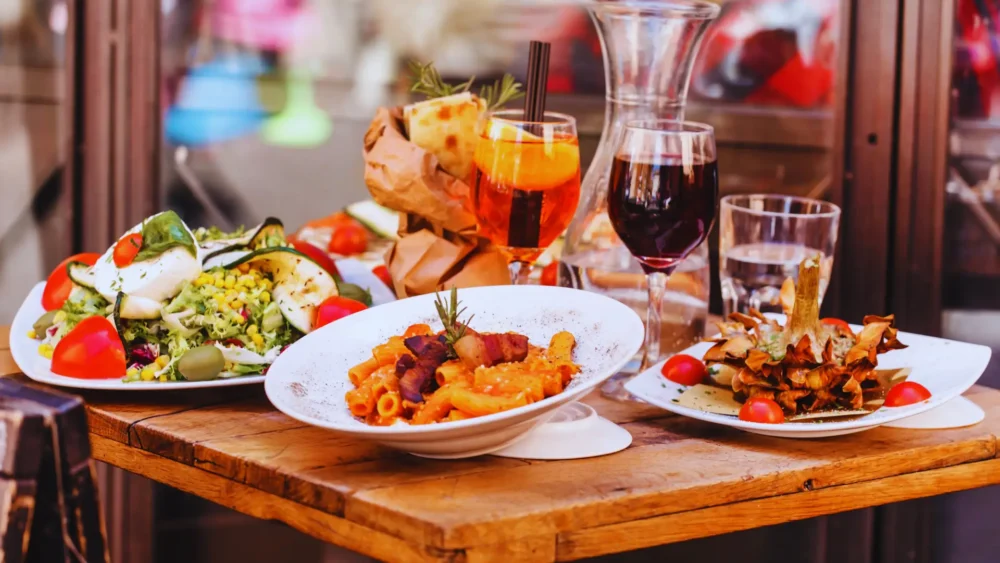
Food and drinks are more than just sources of nutrition — they are integral to human culture, identity, and social life. From ancient feasts to modern-day takeouts, what we eat and drink tells the story of who we are, where we come from, and how we connect with others.
The Cultural Significance of Food
Every culture has its own distinct cuisine, shaped by geography, climate, religion, and tradition. Italian pasta, Japanese sushi, Indian curry, and Ethiopian injera are not just meals but expressions of heritage. Food brings people together during festivals, rituals, and daily gatherings. For instance, the Chinese Lunar New Year is marked by the preparation of symbolic dishes like dumplings (for wealth) and fish (for abundance). Similarly, Thanksgiving in the United States centers around a meal of turkey, stuffing, and pie, symbolizing gratitude and family.
Religious practices also influence food habits. Hindus may avoid beef, Muslims avoid pork, and Buddhists may follow vegetarian diets. Fasting rituals, like Ramadan or Lent, demonstrate how food (or the absence of it) can carry deep spiritual meaning.
The Evolution of Cuisine
Over time, cuisine has evolved through trade, migration, and technological advancements. Spices from India found their way into European dishes through ancient trade routes, and tomatoes from the Americas transformed Italian cooking forever. Fusion cuisine — like Korean tacos or sushi burritos — is a modern expression of this blending, reflecting global movement and cultural exchange.
Preservation techniques like fermentation, drying, and smoking gave rise to iconic foods such as cheese, kimchi, jerky, and pickles. Today, refrigeration and packaging allow foods to travel the world quickly, making once-exotic ingredients accessible in supermarkets everywhere.
Cooking over an open fire and aging meat in-house are two ways that restaurants connect with these ancient culinary roots. For example, the Temper steak restaurant in London uses live-fire kitchens and dry-aged beef to focus on these classic techniques. This approach to food preparation requires skilled butchery and patience. It shows how old ways of cooking remain popular in a fast-paced world.
The Role of Drinks in Society
Just like food, drinks play a vital social and cultural role. In many societies, tea and coffee are daily rituals. British afternoon tea, Japanese matcha ceremonies, and Turkish coffee readings all reflect different traditions built around beverages.
Alcoholic drinks also have cultural weight. Wine accompanies meals in many European countries, sake is important in Japanese celebrations, and beer is central to many social events worldwide. Meanwhile, smoothies, kombucha, and craft sodas have grown in popularity as part of a broader health-conscious movement.
Hydration is not just about drinking water anymore. With the rise of wellness culture, functional drinks — infused with vitamins, adaptogens, and herbs — are emerging as part of a modern lifestyle focused on self-care and performance.
The Rise of Conscious Eating
In recent years, there has been a significant shift toward conscious eating. People are more aware of where their food comes from, how it’s produced, and how it impacts the environment. Terms like “farm-to-table,” “organic,” “sustainable,” and “plant-based” are no longer niche — they are mainstream.
Veganism and vegetarianism have seen massive growth, driven by concerns about animal welfare, climate change, and health. Even meat eaters are increasingly adopting “flexitarian” habits, reducing their intake of animal products without eliminating them entirely.
Food waste reduction, ethical sourcing, and support for local farmers are also gaining traction. This shows a broader desire not just to enjoy food, but to respect it — and the people and planet involved in bringing it to the plate.
Street Food and Globalization
Street food deserves special mention for its role in democratizing flavor. Whether it’s tacos from a truck in Mexico, samosas on a street corner in Delhi, or hot dogs in New York City, street food offers affordable, authentic taste experiences that are often the heart of a region’s culinary identity.
Thanks to globalization, international food is more accessible than ever. Sushi, shawarma, and stir-fry are just as common in London or Toronto as they are in their countries of origin. Social media and food influencers have turned meals into visual art, with platforms like Instagram and TikTok fueling global food trends at lightning speed.
Food as Connection
Ultimately, food and drinks are about connection — with our roots, with each other, and with ourselves. A family dinner, a friend’s birthday cake, a morning coffee with a coworker — these are moments made special through what we eat and drink.
Cooking at home has made a comeback in many places, especially since the pandemic reminded people of the joy (and necessity) of preparing their own meals. Sharing recipes, cooking for loved ones, and even trying new cuisines can be deeply personal and healing acts.
Conclusion
Food and drinks are universal, yet deeply personal. They reflect history, carry culture, and continue to evolve with society. Whether you’re sipping tea in a quiet moment or enjoying a spicy street snack with friends, each bite and sip tells a story — one of nourishment, identity, and human connection.
So next time you sit down to eat or drink, take a moment to savor not just the flavor, but the journey behind it. Because in the world of food and drinks, every dish is a celebration of life itself.